Category: Research
-
What happens when reading no longer works?
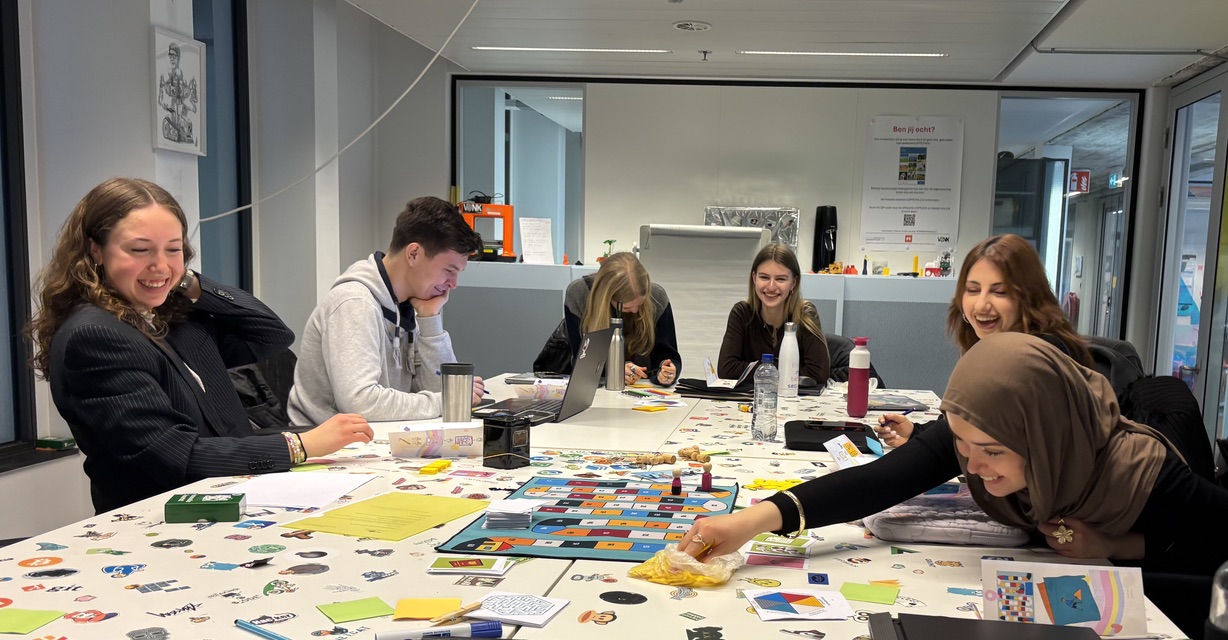
Using Living Without Letters in an inclusive design workshop At first glance, Living Without Letters looks like a board game. There are cards, locations, time tokens, unexpected setbacks and moments of luck. Participants work their way through Rotterdam, trying to secure something remarkably ordinary: a place to live. Yet somewhere between confusion, laughter, hesitation and…
-
Playtest v12
Playtest v12 — When confusion starts to speak On April 23rd, during the Smart & Social Fest 2026, visitors tested the twelfth iteration of Leven zonder letters (Living without letters). At this stage, the game is no longer about whether it works—it is about what exactly it makes visible, and how precisely the experience can…
-
Playtests
Designing confusion as method Reflections from playtesting “Living Without Letters” Over the past months, Living Without Letters has been iteratively tested with graduate students, colleagues, partners from the Foundation for Reading and Writing, members of the Hero Guild, and in consultation with board game expert Diewertje Schuur. These playtests are not evaluative moments in a…
-
Experiments with AI
My professional background lies in Data Science and AI. While creativity is present in this field, it is often expressed within abstract, technical, and efficiency-driven frameworks. Entering the Master Design programme created a space to shift from problem-solving towards exploratory making, and from optimisation towards experience. This shift strongly informed the methods and design decisions…
-

Audio and podcast
My journey into audio did not begin as a technical choice, or even as a conscious design strategy. It began with discomfort. Again and again, in my research and teaching, I saw how effortlessly text positioned itself as the default. Instructions, consent forms, rules of play, explanations of systems — all written, all assumed readable.…
-
Positon paper
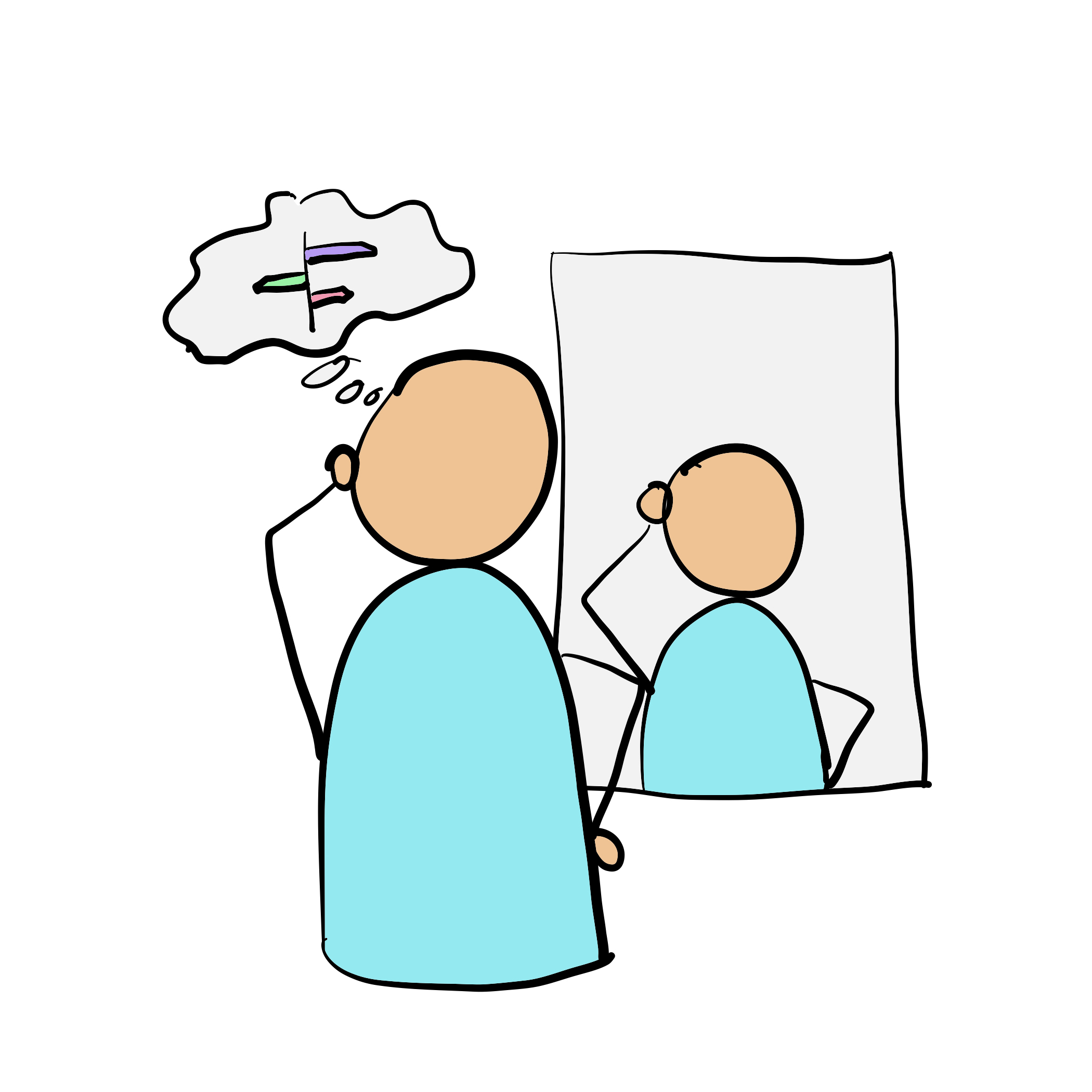
Version december 8th after rewrite based on feedback from lector Maaike Harbers Giving Voice Beyond Literacy Introduction My design research explores how visual and experiential communication can bridge the gap between literate and non-literate people. It is situated within the discourse of inclusive and participatory design, but expands these frameworks by focusing explicitly on those…
-
Introducing time to the game board
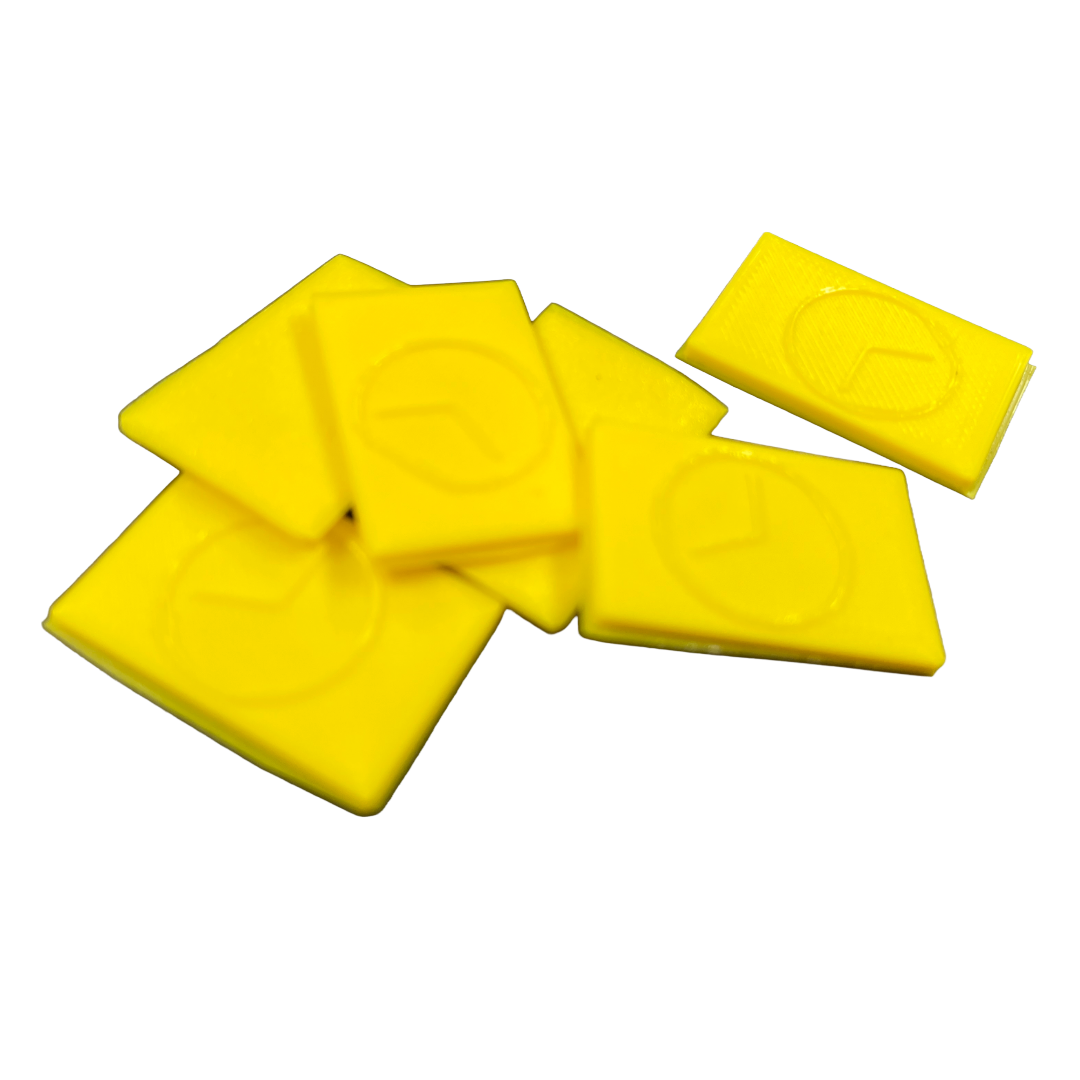
Third iteration The redesign of the game board and gameplay mechanics was undertaken as a research-through-design (RtD) iteration, in which design practice itself functioned as a mode of inquiry. Rather than treating the game as a final artefact to be refined or optimised, each iteration was approached as an opportunity to investigate how systemic complexity,…
-
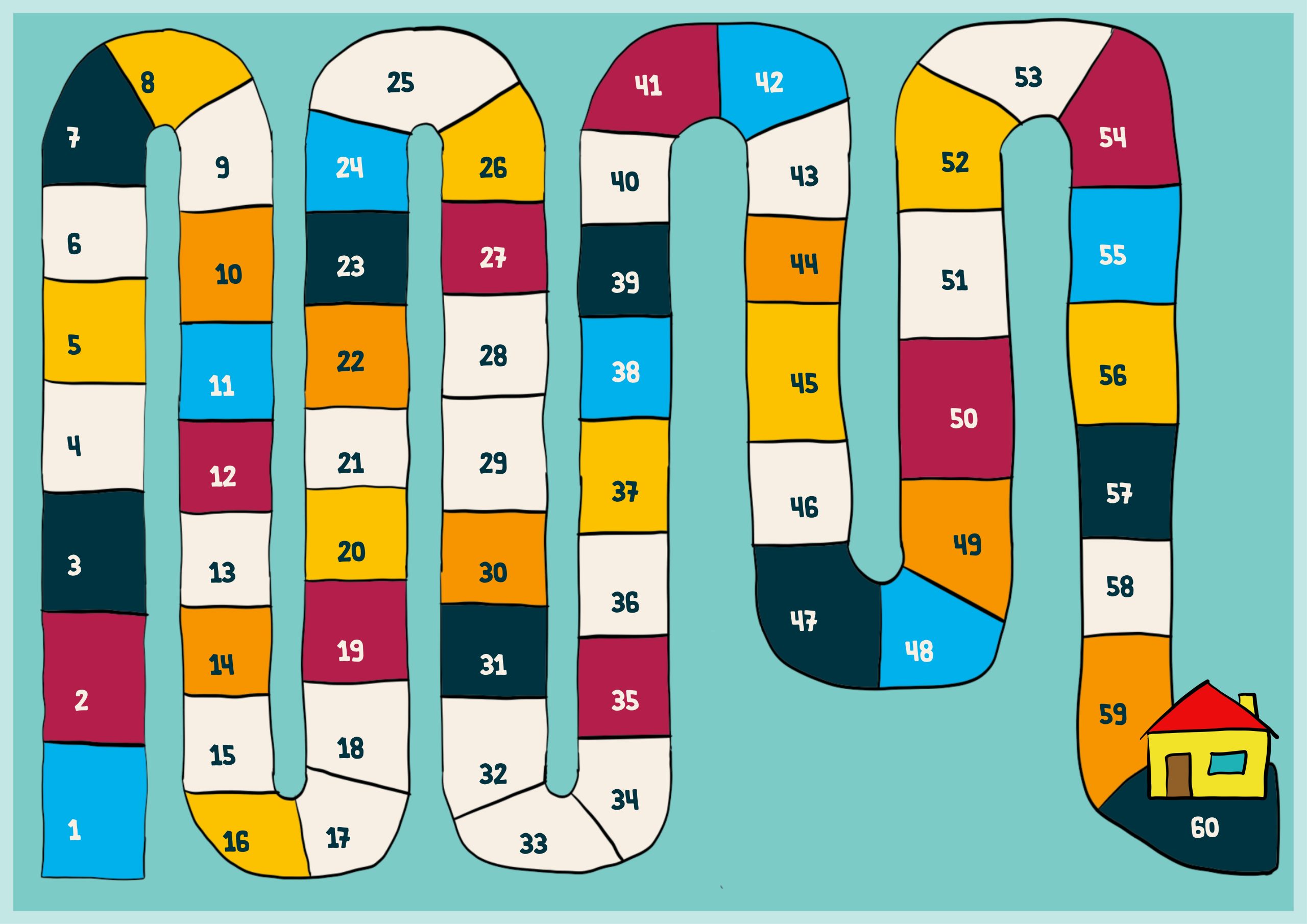
Development of the game board
Second iteration In an earlier design iteration, prior to the final redesign, the game board was significantly simplified as an exploratory move within the research-through-design process. Rather than embedding actions directly on the board, these actions were externalised and transferred to card-based interactions. This shift allowed the board to function primarily as a navigational structure,…
-

How a game became a movement
Living Without Letters is more than a research project. It is a message that continues to travel — through Rotterdam and beyond. Through this work, I became part of the Digital Social Innovation Lab (DiSIL). Their initial focus was entirely on digital literacy. But by entering the lab, I brought a different reality into the…