Living Without Letters is more than a research project.
It is a message that continues to travel — through Rotterdam and beyond.
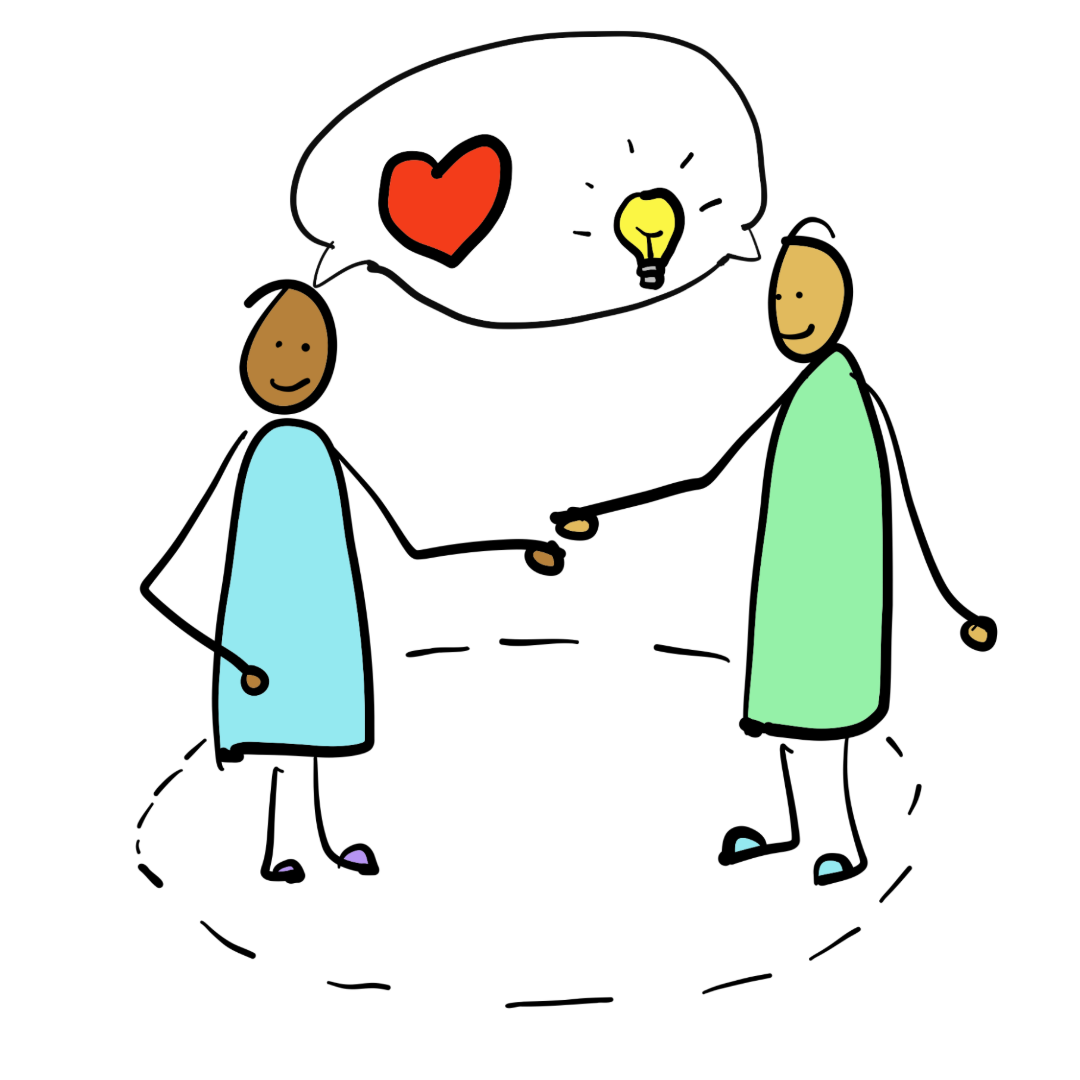
Through this work, I became part of the Digital Social Innovation Lab (DiSIL).
Their initial focus was entirely on digital literacy. But by entering the lab, I brought a different reality into the conversation: the experiences of people who struggle not only with technology, but also with reading, writing and numeracy.

Because of this research, low literacy — or more broadly, foundational skills still in development — is now part of DiSIL’s official mission. A group that is often overlooked has been placed at the centre of innovation.
And the ripple effect continued.
On 25 November 2025, the Social AI Lab opened in Hillevliet, Rotterdam South. Here too, basic skills are now embedded in the lab’s purpose — ensuring that technological progress remains socially inclusive.
And the story keeps expanding.
As an educator shaping the new Bachelor programme in Applied Data Science & AI, I view it as my responsibility to prepare the next generation to design — and care — for everyone.
This is why I am developing a series of workshops across the entire Institute for Communication, Media & Information Technology, grounded in inclusive design and development practices.
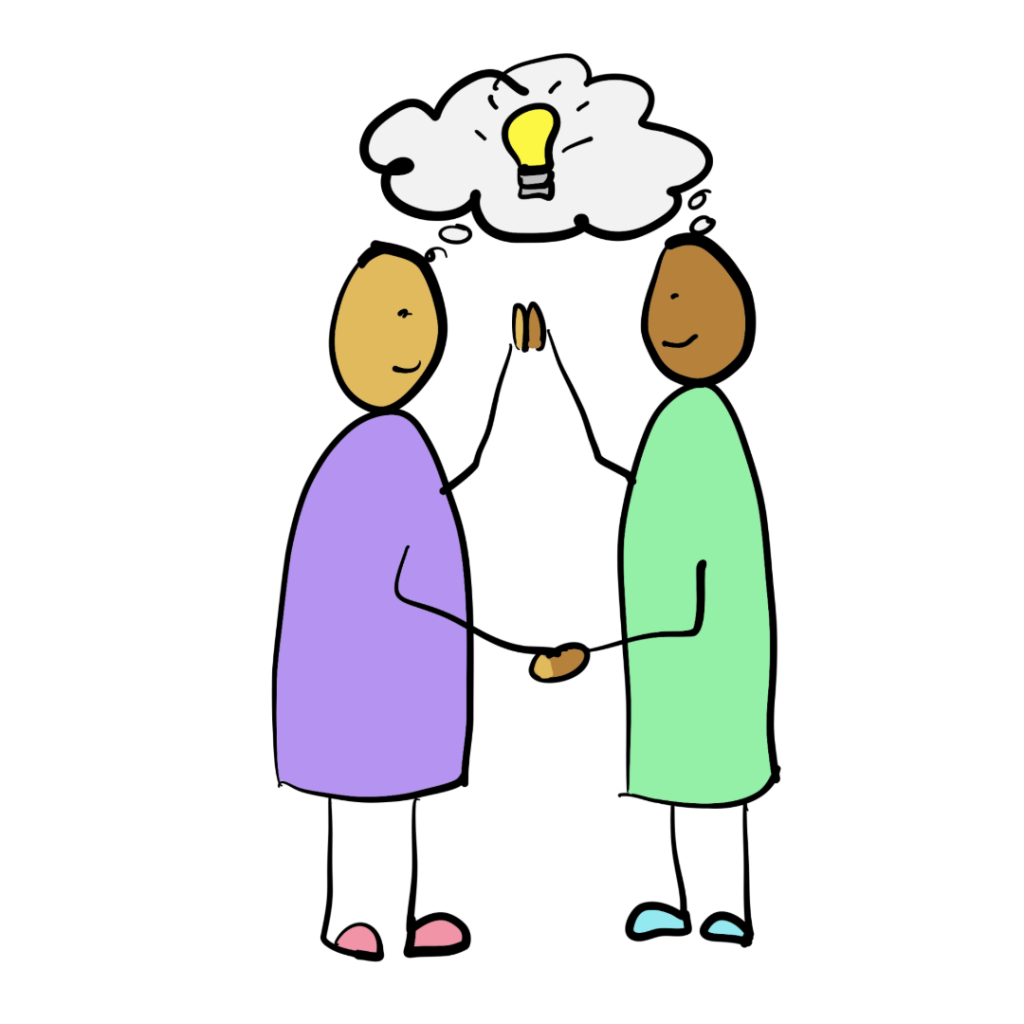
Students work in multidisciplinary teams with partners from DiSIL, the Social AI Lab, and local communities. They take the insights from this research as a starting point and translate them into new interventions, new tools, new forms of empathy.

In this way, Living Without Letters does not remain confined to a thesis or a board game.
It becomes a living legacy — shaping education, influencing community collaboration and inspiring social innovation.
That is how this story enters the world.
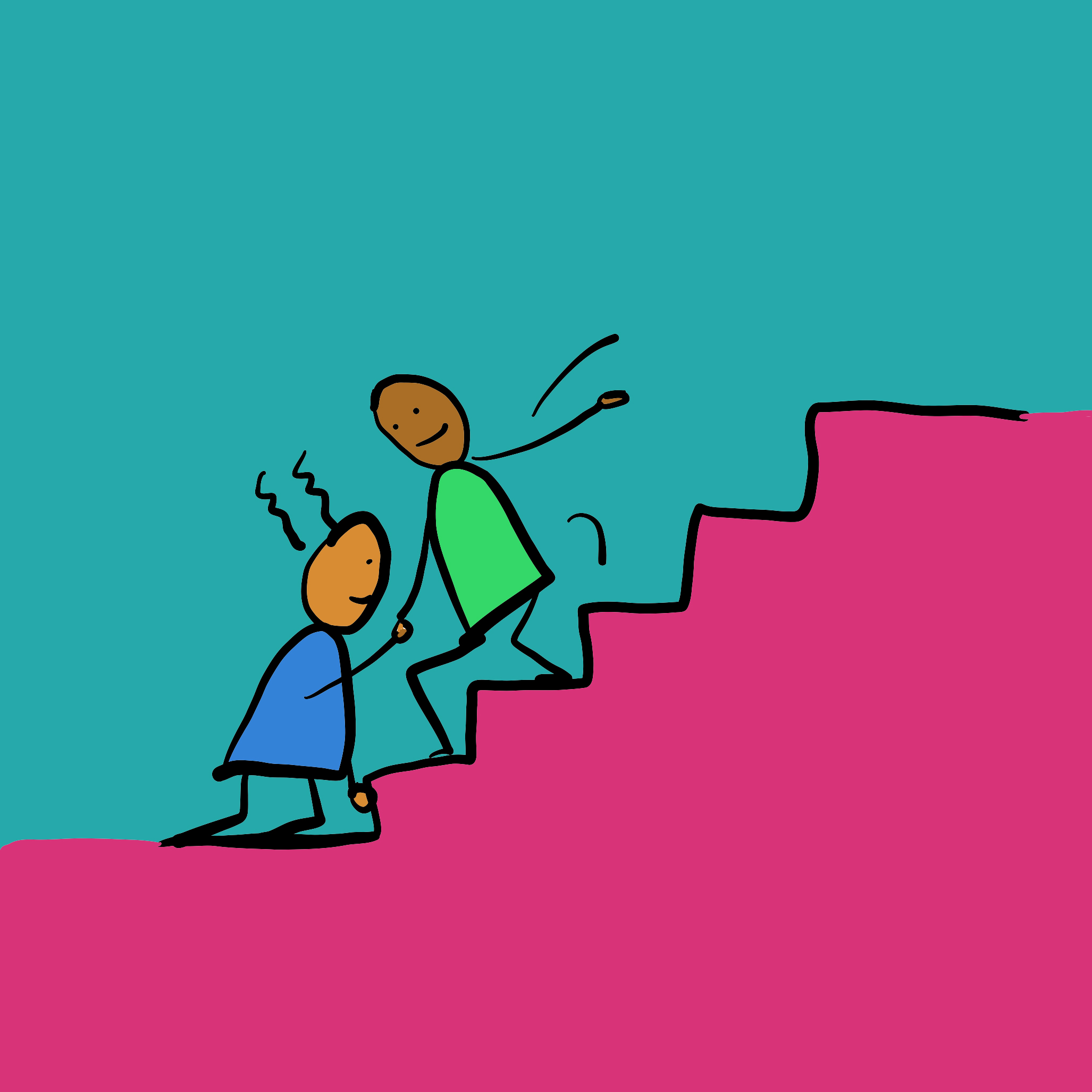
Step by step.
Game by game.
Together.
Leave a Reply