
Research into visual language
In the context of socially engaged design research, the quest to make information more inclusive and accessible continues to evolve. This is particularly relevant for groups such as low-literate individuals, for whom visual communication holds significant promise. In this essay, I explore the viability of translating written information into visual language, and why—even with historical precedents and promising design frameworks—this goal remains elusive.
Historical Inspirations: From Cave Art to Michelangelo
Visual language is deeply embedded in human history. The oldest known cave paintings, found in Sulawesi and dating back more than 40,000 years, are a testament to our enduring instinct to communicate visually. These early symbolic forms laid the foundation for modern visual systems, yet their context-specific nature underscores a persistent challenge: symbols are only meaningful when culturally understood (Arnheim, 1969).
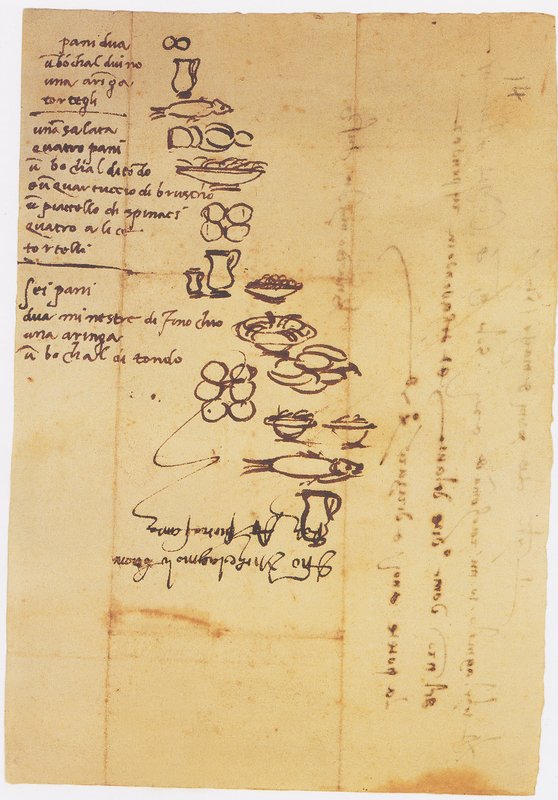
Even during the Renaissance, visual representation was used for practical purposes. A notable example is Michelangelo’s illustrated shopping list (dated 1518), which employed simple icons to instruct his illiterate assistant. This playful yet effective use of imagery inspired me to explore the potential of icon libraries and symbol-based systems for translating contemporary text into visuals.
Icon Libraries and Their Limitations
One of my first steps was to explore existing icon libraries. The Dutch government has developed a comprehensive icon set used internally for wayfinding and public communication. However, this resource is not publicly accessible. Despite efforts to advocate for its open-source release—arguing from a civic-tech perspective that public resources should serve public needs—access remained restricted. This reflects a broader challenge in public design: the balance between system control and civic participation (Manzini, 2015).
Other publicly available icon systems, such as those used in navigation or mobile interfaces, tend to be generic and limited in their semantic range. While effective for pointing or indicating status, they lack the complexity needed to convey bureaucratic or procedural content like that found on municipal websites.
From Icons to Counter Cards: Applied Experiments
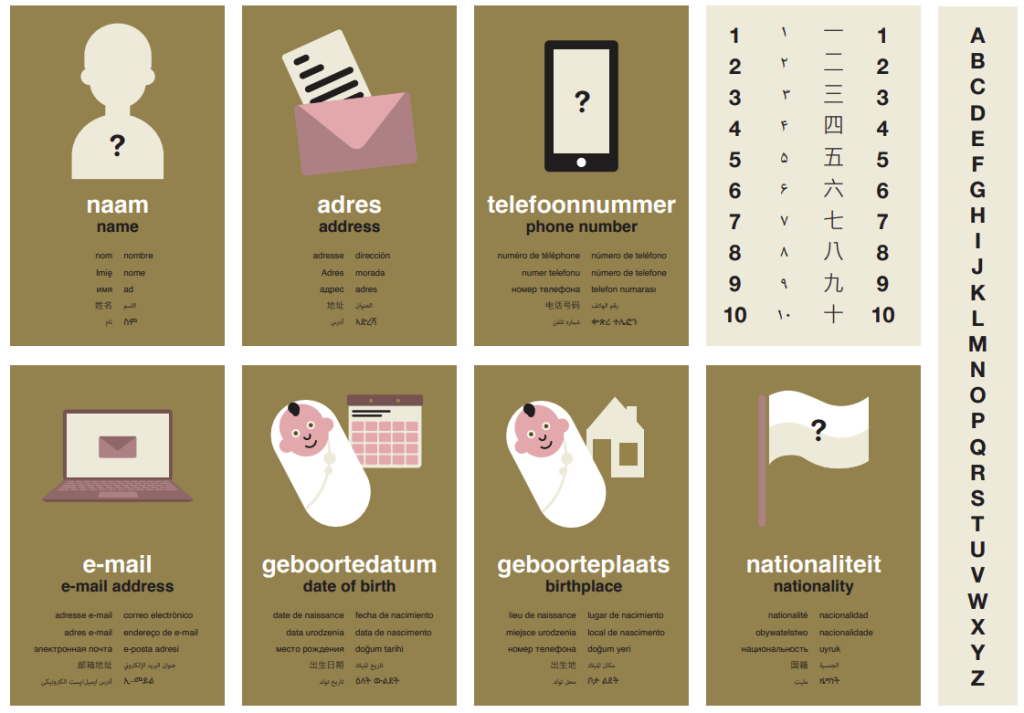
I found more promising ground in the work of the Stichting Lezen en Schrijven (Dutch Reading and Writing Foundation), which developed “counter cards” (baliekaarten). These cards offer pictorial prompts to help low-literate individuals provide essential information—name, date of birth, address—during official interactions. This elegant system inspired an experiment with the community organization SOL in Rotterdam.
Despite its effectiveness in simple communication contexts, it became clear that this visual strategy could not scale to the level of full text translation. Governmental communication—particularly in domains such as taxes, healthcare, and social support—is too nuanced and varied. A visual representation for each unique sentence or term would require extensive customization, making it both financially and logistically unsustainable within the timeframe of this research.
The Value of Visual Thinking
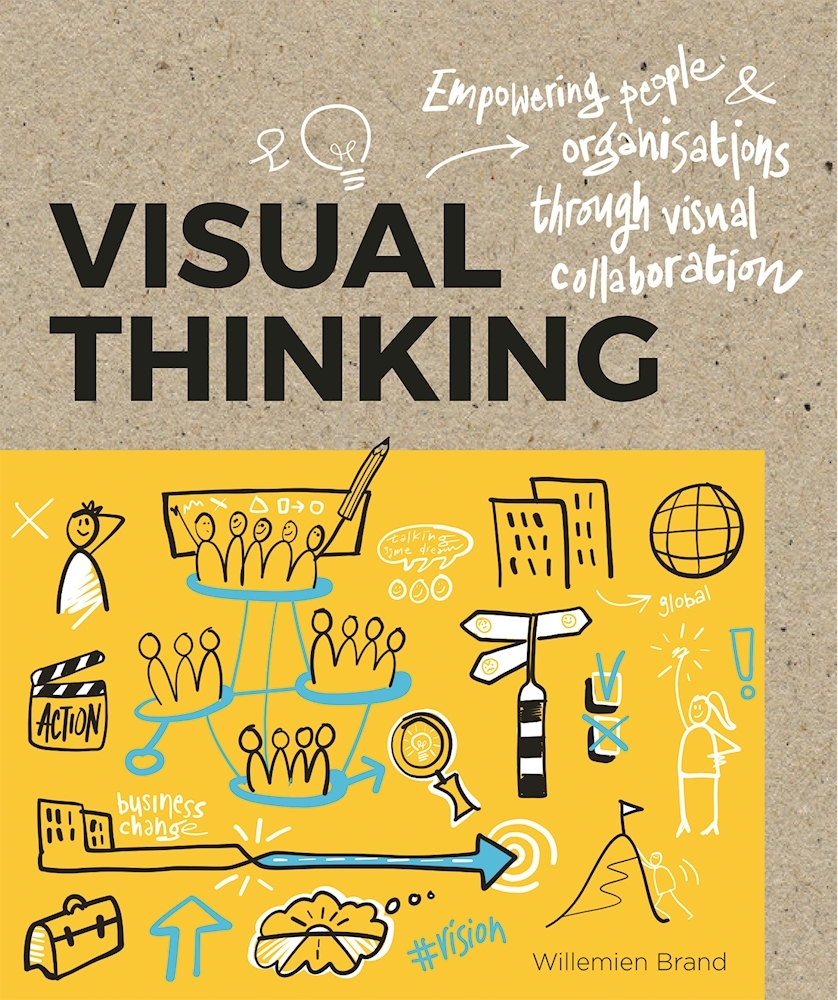
One bright outcome of this exploration was discovering the value of Willemien Brand’s Visual Thinking method. Although initially tested for the purpose of translation, I found its true utility in supporting the design and communication process more broadly. Visual thinking helped clarify concepts, structure information, and foster collaborative engagement in co-creation sessions.
Conclusion
While this research journey did not yield a ready-to-use visual language for complex text translation, it illuminated important directions for future design research. It reaffirmed that co-creation with vulnerable communities requires adaptive methods and ethical sensitivity, particularly when dealing with accessibility and inclusion. The process also reinforced a critical insight: visual systems are not universal—they are always context-dependent and require co-design to be meaningful.
References
- Arnheim, R., Visual Thinking, University of California Press, (1969).
- Buchanan, R., Design Research and the New Learning, Design Issues, (2001).
- Manzini, E., Design, When Everybody Designs: An Introduction to Design for Social Innovation, MIT Press, (2015).
Leave a Reply