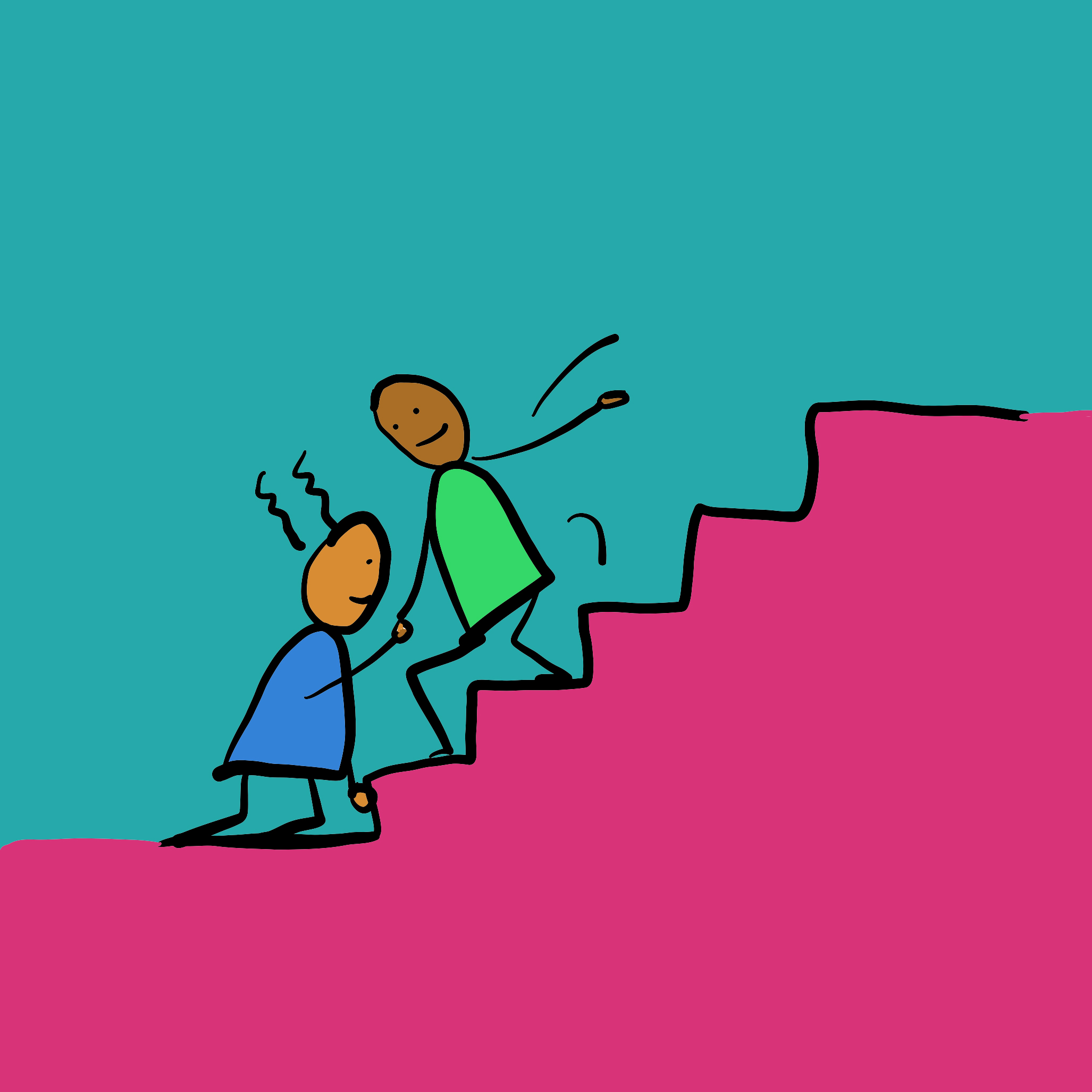
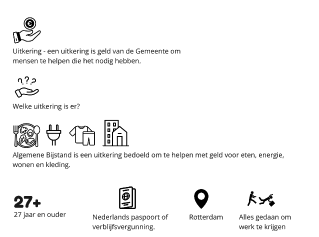
The subsequent experiment was less successful and became an important moment of reflection within the research. In an attempt to translate formal written texts into images together with an illiterate volunteer, in collaboration with the SOL organization and language ambassadors from the Reading and Writing Foundation (Stichting Lezen en Schrijven),
it quickly became clear that this translation process is highly time-consuming. More importantly, the resulting images were strongly context-dependent: they differed not only per situation, but also per individual participant. Rather than revealing a shared visual language, the process exposed the deeply personal nature of meaning-making.
This led to the realization that such an approach cannot easily be scaled or standardized, and would require a highly customized, one-to-one process. As this was not the direction I wanted the research to take—placing yet another burden on people who already have to constantly adapt to text-based systems—it prompted a fundamental reconsideration of the research strategy. Instead of asking people with limited literacy to adapt to alternative representations of the same systems, I shifted the focus toward those who design, maintain, and unquestioningly rely on them.
This marked a deliberate change in target group: from illiterate participants to literate ones. The research subsequently moved toward experiential and game-based methods, in which literate participants are invited to temporarily step into a system that no longer works on their terms. By removing or obstructing written language within a designed experience, the research aims to generate embodied understanding, emotional friction, and reflection—placing responsibility back onto systems and designers rather than individuals.
Leave a Reply