
Creating visuals

For many practitioners in design research, creativity is not only a professional tool but also a deeply personal form of expression. However, within the constraints of project deadlines, academic rigor, and institutional demands, practices like drawing and painting—once central to many designers’ identities—often fall dormant.
This was my experience as well: having drawn and painted throughout my life, I found myself disconnected from these creative roots. Yet, through the demands and opportunities of a recent research project, I was given both the justification and the motivation to return to them.
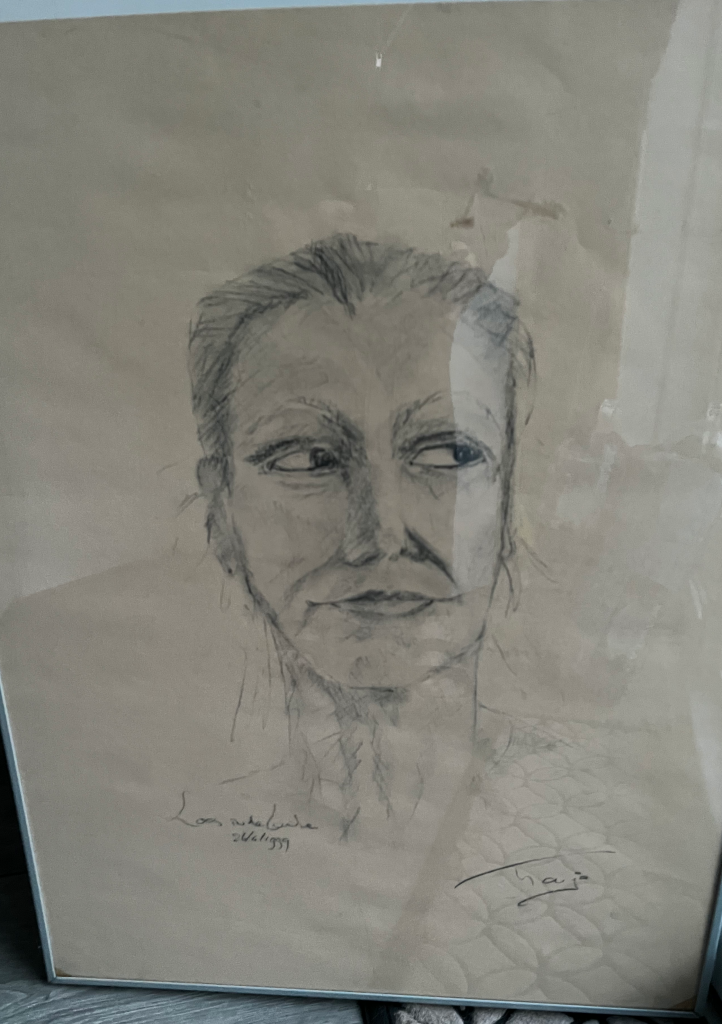
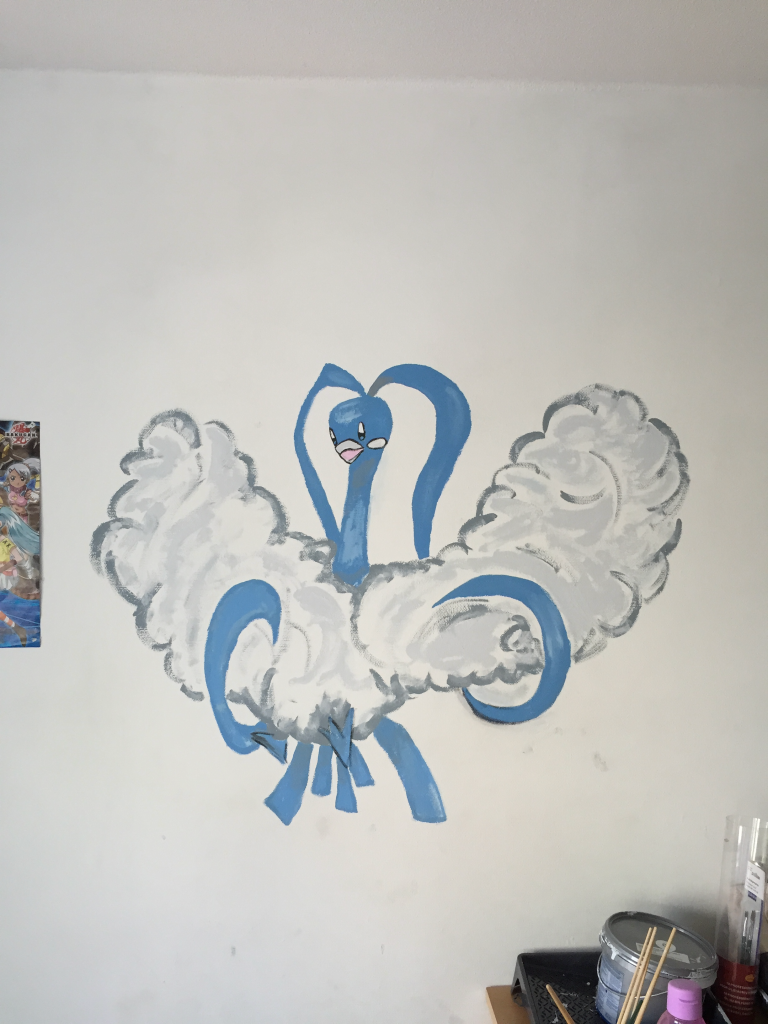
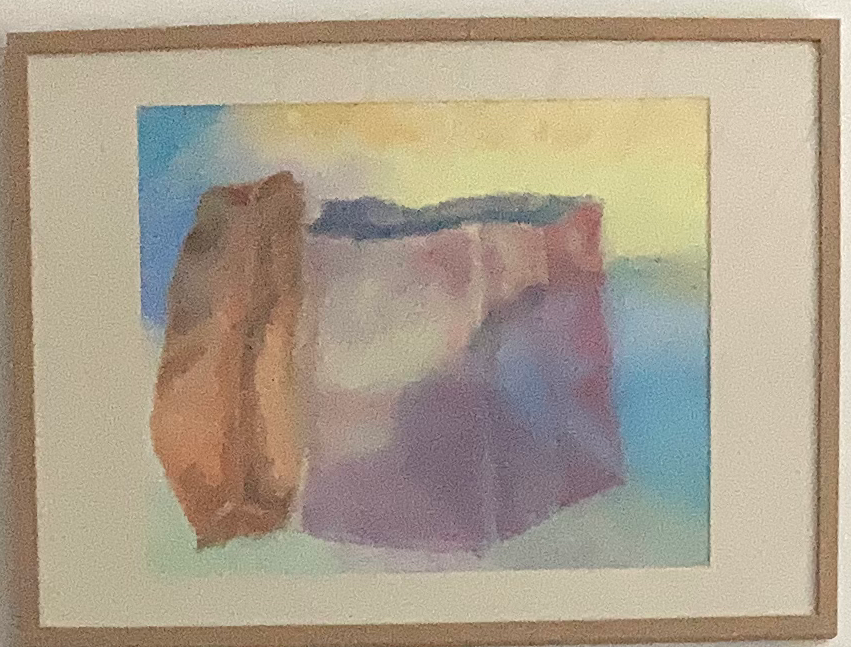
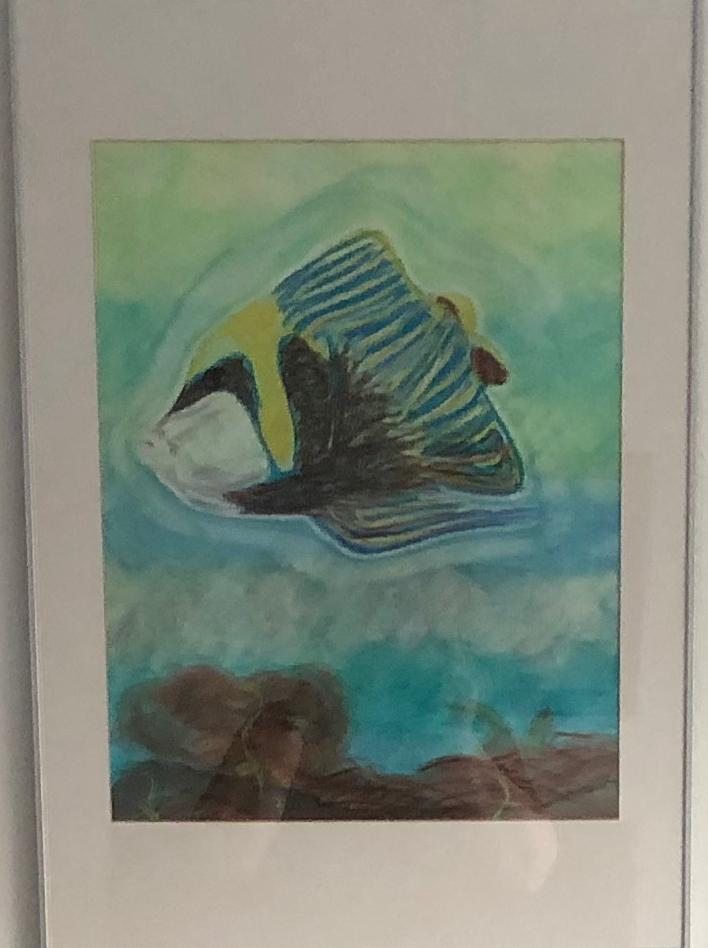
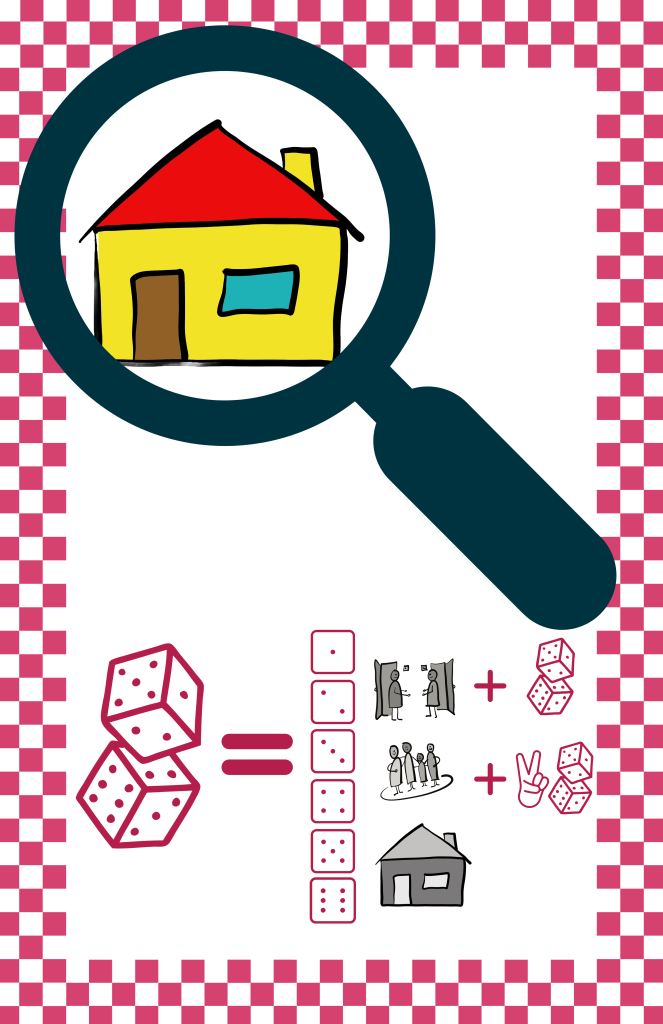
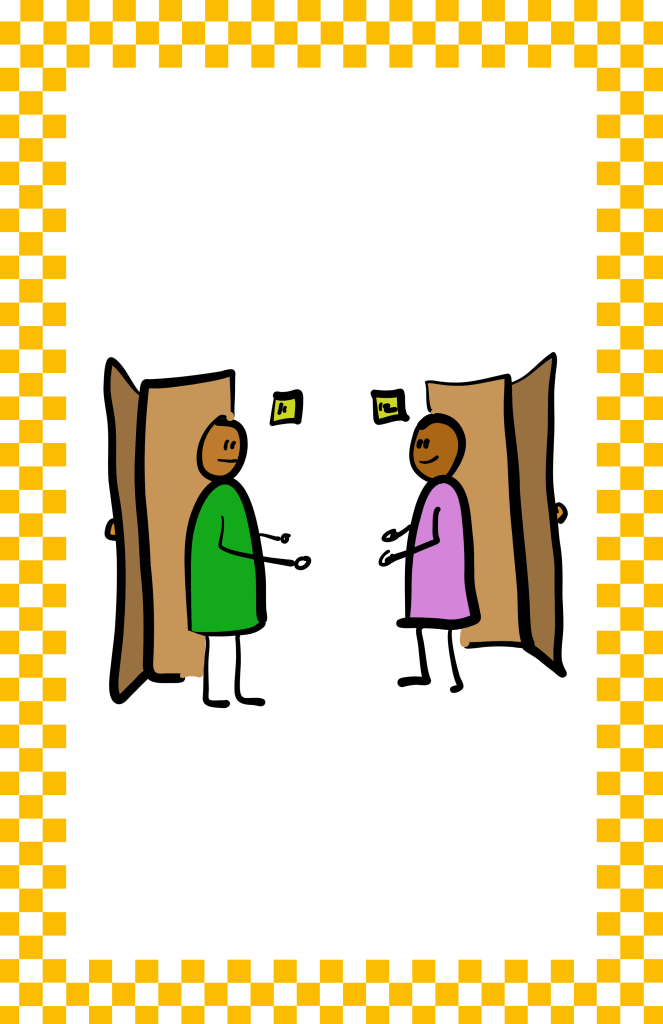
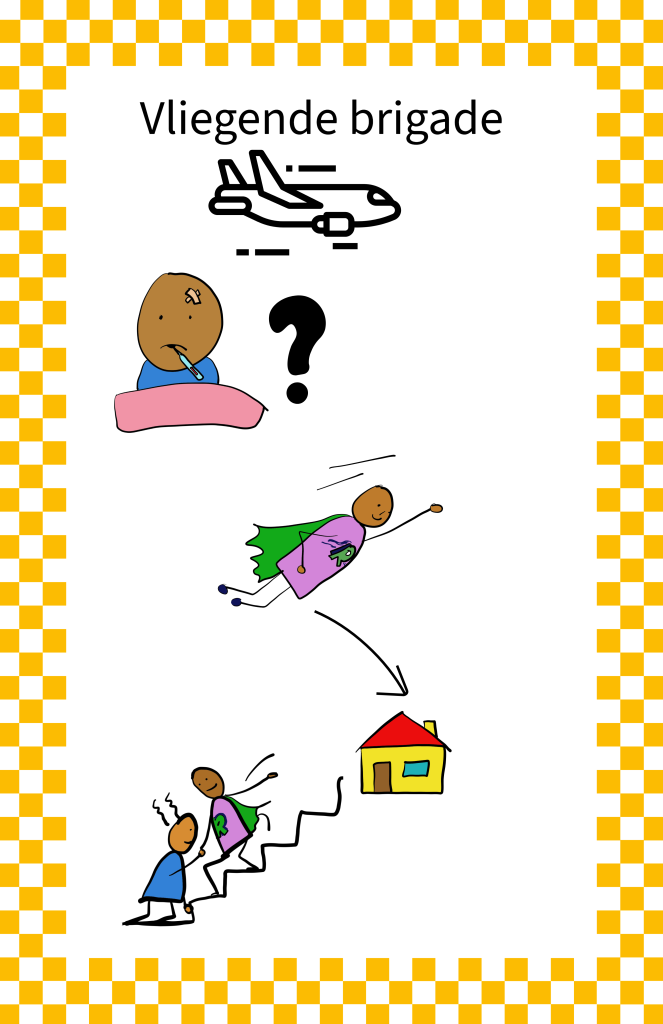
As the research unfolded, visual communication became not just a stylistic choice but a methodological necessity. The work required clear, effective visuals that could be produced within a limited timeframe. This constraint led me to explore digital drawing as a more efficient way to produce visual materials for participatory tools, such as a board game co-created with people experiencing low literacy.
To reawaken my visual skills in a purposeful and structured way, I enrolled in the Draw Your Message course, based on Willemien Brand’s methodology of visual thinking. Initially, there was hesitation—years of disuse had dulled both confidence and fluency. However, the course offered more than techniques; it provided a re-entry into a mode of thinking through making. The workbook that followed helped to embed visual thinking as part of my daily design research routine.
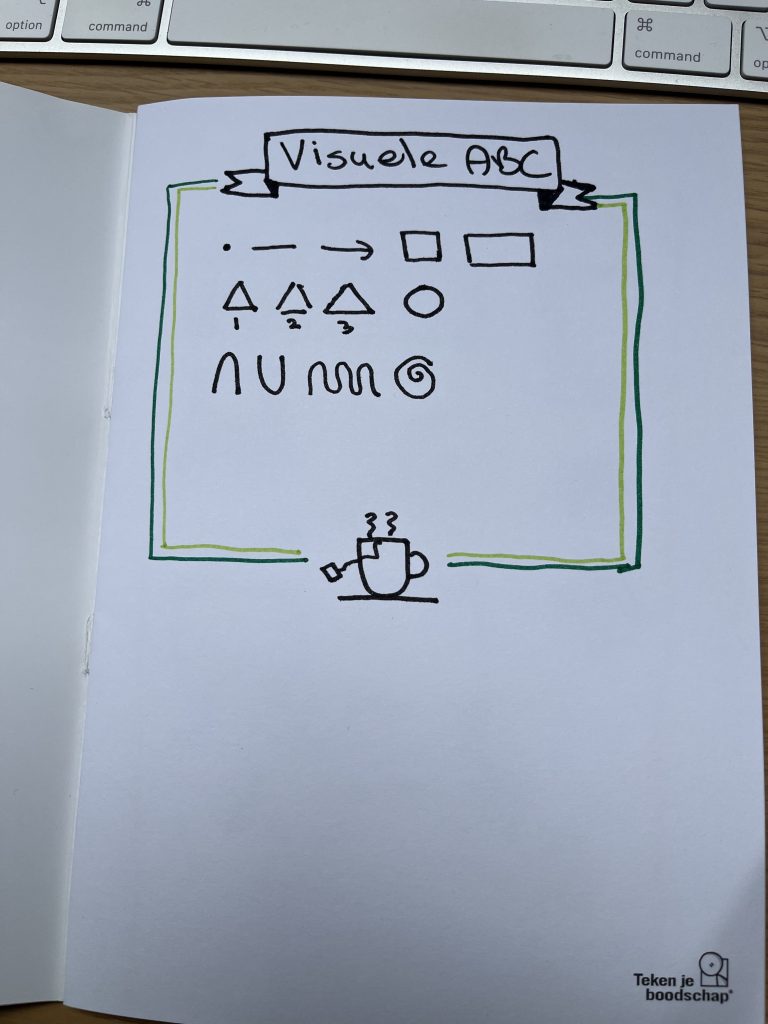
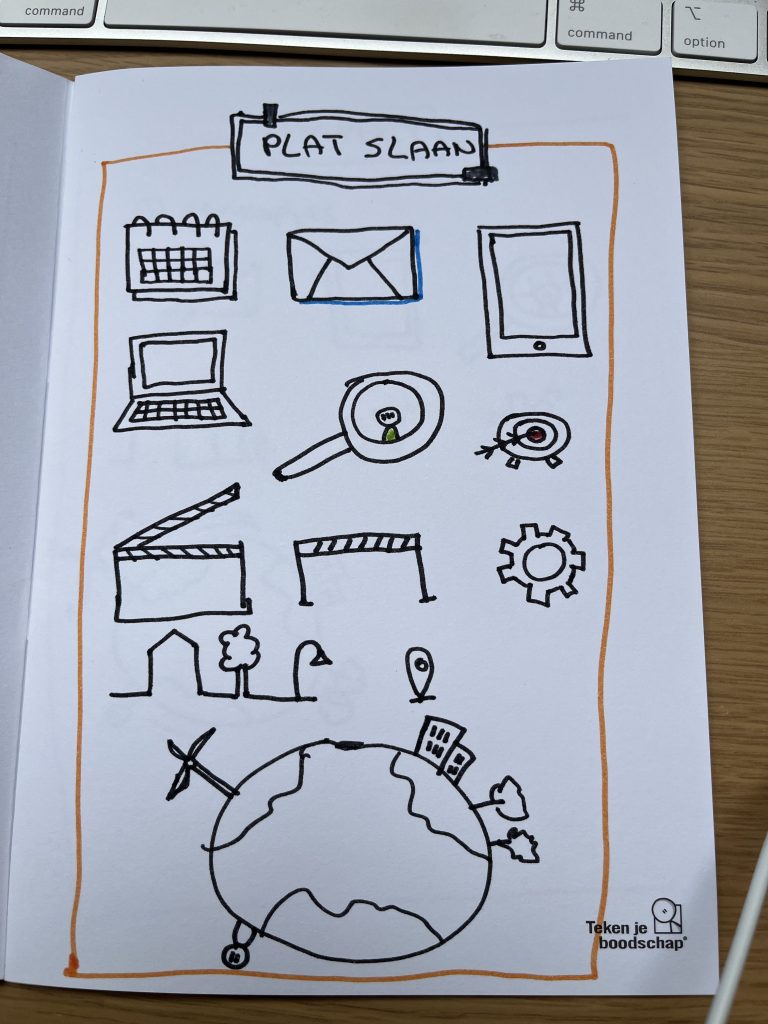
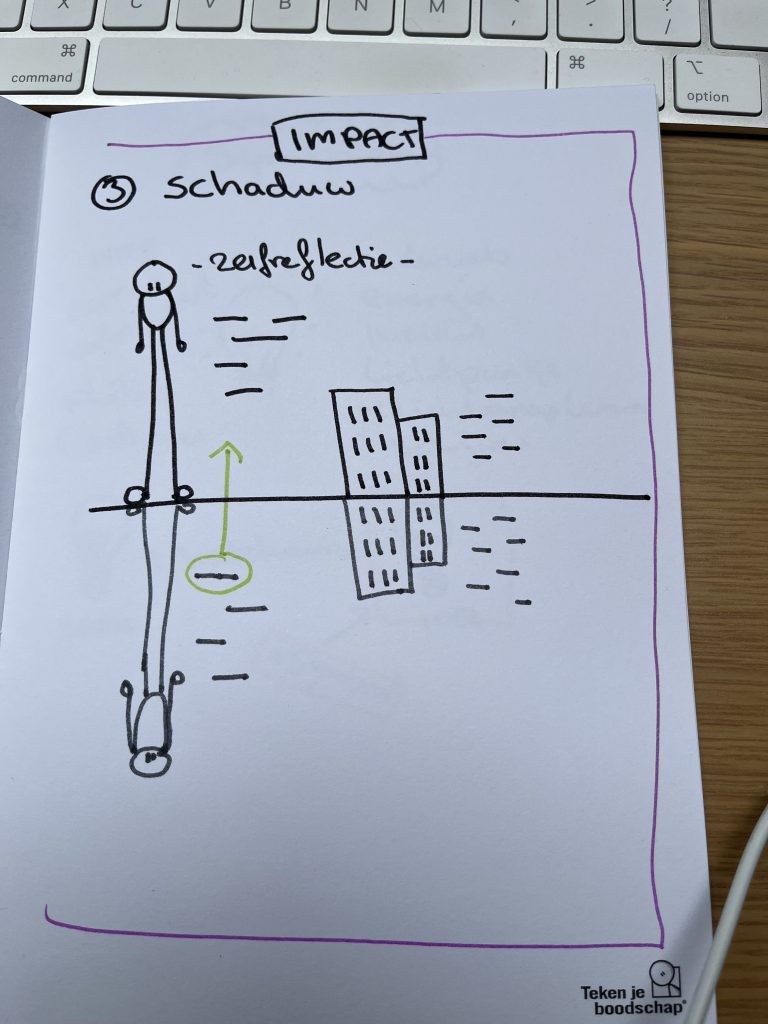
This re-engagement with drawing illustrates a broader shift within design research. As Buchanan (2001) and Manzini (2015) have both argued, the designer’s role is evolving from problem-solver to sense-maker. Visual methods play a crucial role in this evolution: they are not simply illustrative but epistemological—they help us think, not just show. The return to drawing, then, was not an indulgence, but a reactivation of a way of knowing.
Moreover, the use of quick, iterative sketches aligned with what Cross (2006) calls “designerly ways of knowing”: the ability to explore ambiguity and possibility through making. Visual thinking is a tool for reflection-in-action (Schön, 1983), allowing for faster and more intuitive dialogue between researcher, participant, and idea. In this case, the sketches not only served as communication assets but helped shape the contours of the research questions and co-creation sessions themselves.
What began as a pragmatic response to time pressure ultimately became a reinvigoration of personal and professional identity. Rediscovering drawing through research was not a return to art for art’s sake, but a return to art as inquiry—as an essential component of participatory design, critical reflection, and knowledge production.


References
Buchanan, R., Design Research and the New Learning, Design Issues, (2001).
Brand, W., Visual Thinking: Empowering People and Organisations through Visual Collaboration, BIS Publishers, (2017).
Cross, N., Designerly Ways of Knowing, Springer, (2006).
Manzini, E., Design, When Everybody Designs: An Introduction to Design for Social Innovation, MIT Press, (2015).
Schön, D. A., The Reflective Practitioner: How Professionals Think in Action, Basic Books, (1983).
Leave a Reply