What this journey has shown – Overview
This research distils lessons from designing for and with people who navigate a world shaped by text without relying on it, revealing how systems can be reimagined to foster accessibility, dignity, and meaningful participation.
What can the literate learn from this?
Literate participants learned that low literacy is not a lack of intelligence, but a continuous negotiation with systems that assume reading as the default. What appears simple—forms, letters, instructions—becomes fragmented, time-consuming, and emotionally taxing. Communication, therefore, cannot rely on clarity of text alone, but must shift towards multimodal, relational, and patient interaction.
They learned that confusion is not incidental but structural, and that people develop strategies—asking for help, interpreting context, memorising patterns—to navigate everyday life. This requires trust, time, and dignity. Effective communication means slowing down, reducing assumptions, offering choice, and recognising the other as competent within different forms of understanding.
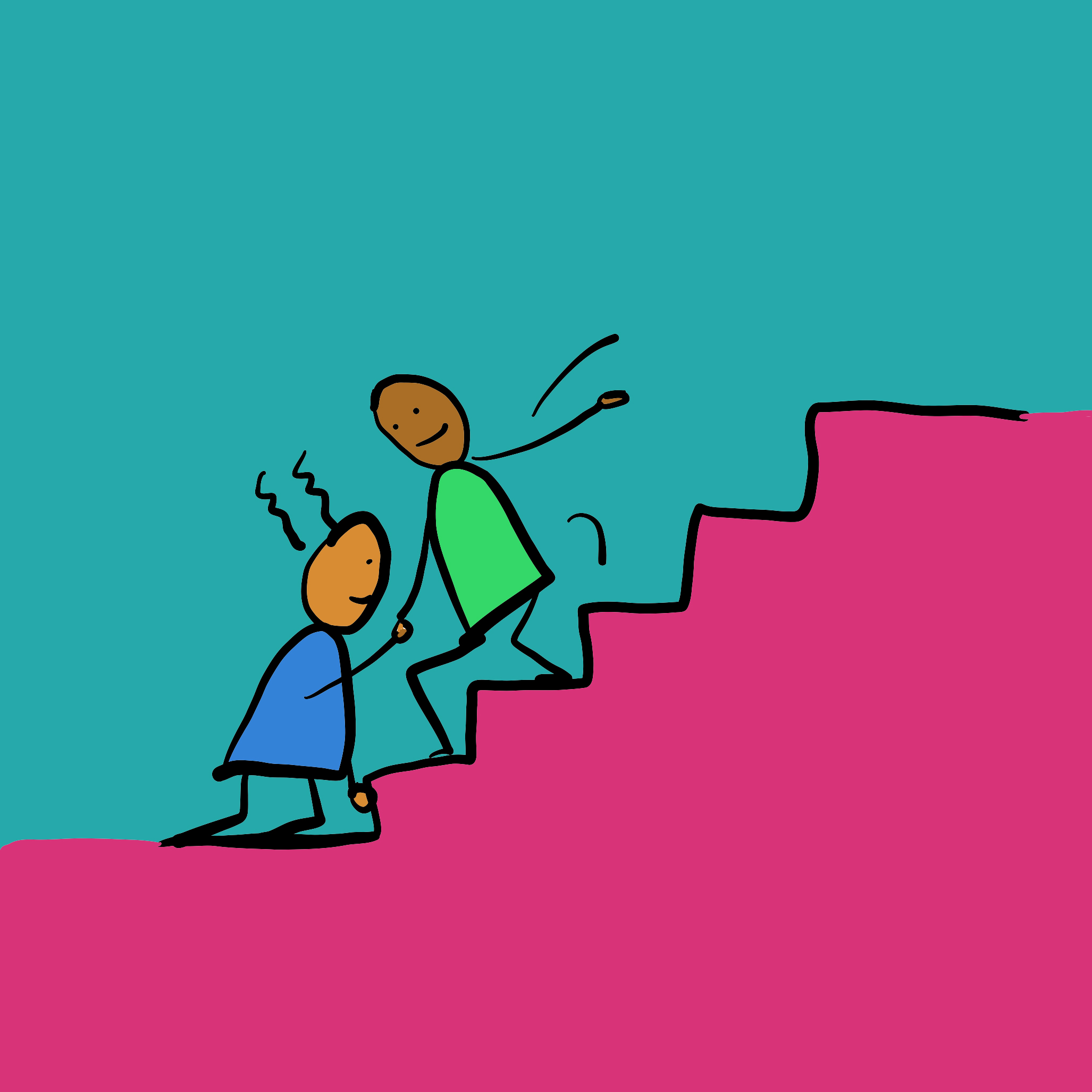
Most importantly, they learned that responsibility does not lie with the individual to “catch up” with the system, but with designers, professionals, and institutions to create environments where participation is possible without relying on text.
Practical actions for more inclusive communication
1. Move beyond text as default
- Always combine text with audio, visuals, or demonstration
- Use icons, sequences, and examples instead of explanations alone
- Check: Can this be understood without reading?
2. Slow down interaction
- Allow extra time for processing and decision-making
- Avoid rushing or stacking multiple instructions
- Build in pauses and repetition
3. Make help normal, not exceptional
- Explicitly invite questions: “We can do this together”
- Design systems where asking for help does not require permission
- Reduce dependence on others saying “yes” to assistance
Practical actions for more inclusive communication
- Allow extra time for processing and decision-making
- Avoid rushing or stacking multiple instructions
- Build in pauses and repetition
3. Make help normal, not exceptional
- Explicitly invite questions: “We can do this together”
- Design systems where asking for help does not require permission
- Reduce dependence on others saying “yes” to assistance
4. Reduce hidden complexity
- Break processes into small, visible steps
- Avoid assumptions about prior knowledge
- Make consequences of choices clear and tangible
5. Use consistent, recognisable patterns
- Keep layouts, symbols, and flows predictable
- Avoid unnecessary variation in structure or wording
- Repetition builds navigability
6. Design for navigation, not just understanding
- Show where someone is, what comes next, and what is completed
- Use visual progress indicators or physical cues
- Make the system “readable” without text
7. Acknowledge emotional impact
- Recognise frustration, uncertainty, and fatigue as system effects
- Create space for reassurance and confirmation
- Avoid framing mistakes as personal failure
8. Offer real choices, not false ones
- Ensure options are meaningful and comparable
- Avoid systems where outcomes feel random or opaque
- Make trade-offs visible (time, effort, resources)
9. Use diverse and clear audio
- Use multiple voices and accents, but ensure clarity and pacing
- Keep audio short, structured, and repeatable
- Support listening with visual cues
10. Design for doing together (co-creation)
- Enable people to act alongside others, not alone
- Value relational interaction as part of the process
- Treat users as competent participants, not passive recipients
11. Make materials tangible and interactive
- Use physical objects, tokens, or forms where possible
- Allow people to touch, move, and try, not just interpret
12. Always close the loop
- Ask: What should someone do after this?
- Translate awareness into clear next steps or actions
- Support reflection and follow-up
Études is not confined to the past – we are passionate about the cutting edge designs shaping our world today.
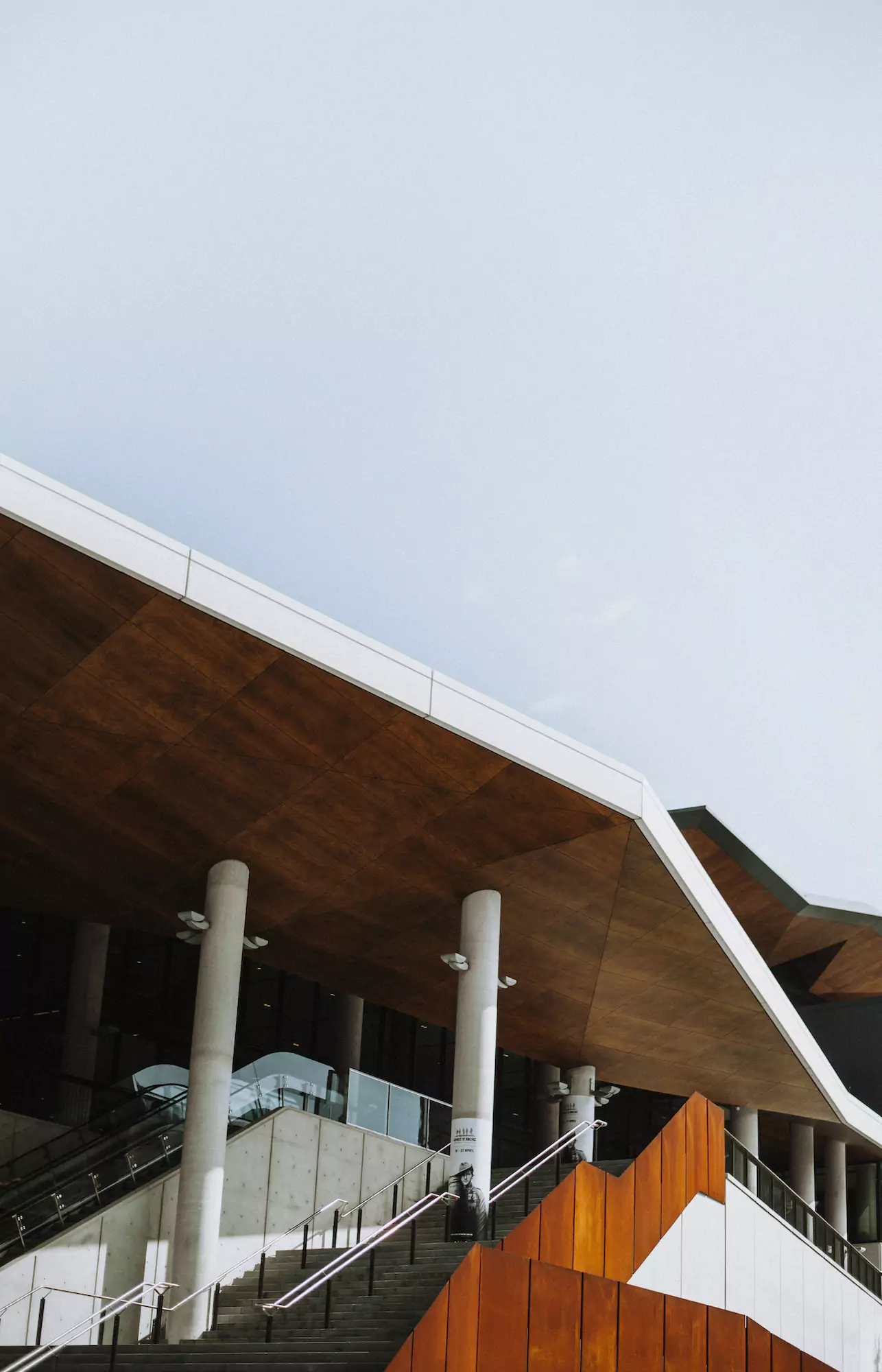
1. Through Études, we aspire to redefine architectural boundaries and usher in a new era of design excellence that leaves an indelible mark on the built environment.
Our comprehensive suite of professional services caters to a diverse clientele, ranging from homeowners to commercial developers. With a commitment to innovation and sustainability, Études is the bridge that transforms architectural dreams into remarkable built realities.
2. Case studies that celebrate the artistry can fuel curiosity and ignite inspiration.