Living Without Letters
A researcher who knows the silent struggle — from the inside.
Where I come from
I grew up in The Hague, in a warm and close family where intelligence was never measured by reading or writing. My father was a skilled construction worker — he could build anything with his hands — but written words were never his friends. School excused him from language lessons because he was “better with his hands”.
My mother loved stories. She enjoyed reading romance novels — the kind that take you somewhere else for a while — yet formal reading and writing remained difficult for her. Today, she is living with Alzheimer’s disease, and reading is no longer as effortless or joyful as it once was. That change has made the fragility of literacy even more visible to me: reading is not just a skill, but a relationship — one that can shift, weaken, or be taken away.
Because written communication was so challenging for both of my parents, I often became the one responsible for interpreting letters, filling in forms, and trying to decode a complicated bureaucratic world on behalf of my family.
A path decided by others
Even though I loved to learn, others did not always see that potential. When a teacher told my parents that “mavo is enough — she will become a housewife anyway”, their trust in authority overruled my own ambitions. I started my educational journey at a level far below what I was capable of.
Still, I continued to move: one school after another, one evening course after a full working day, one new opportunity each time someone believed in me — or when I simply refused to shrink myself to fit someone else’s expectations.
Finding technology, finding a language
Through a government programme for young people with limited opportunities, I ended up in one of the first ICT departments of the Municipality of The Hague. There I learned to build and repair computers and to work with early office software.
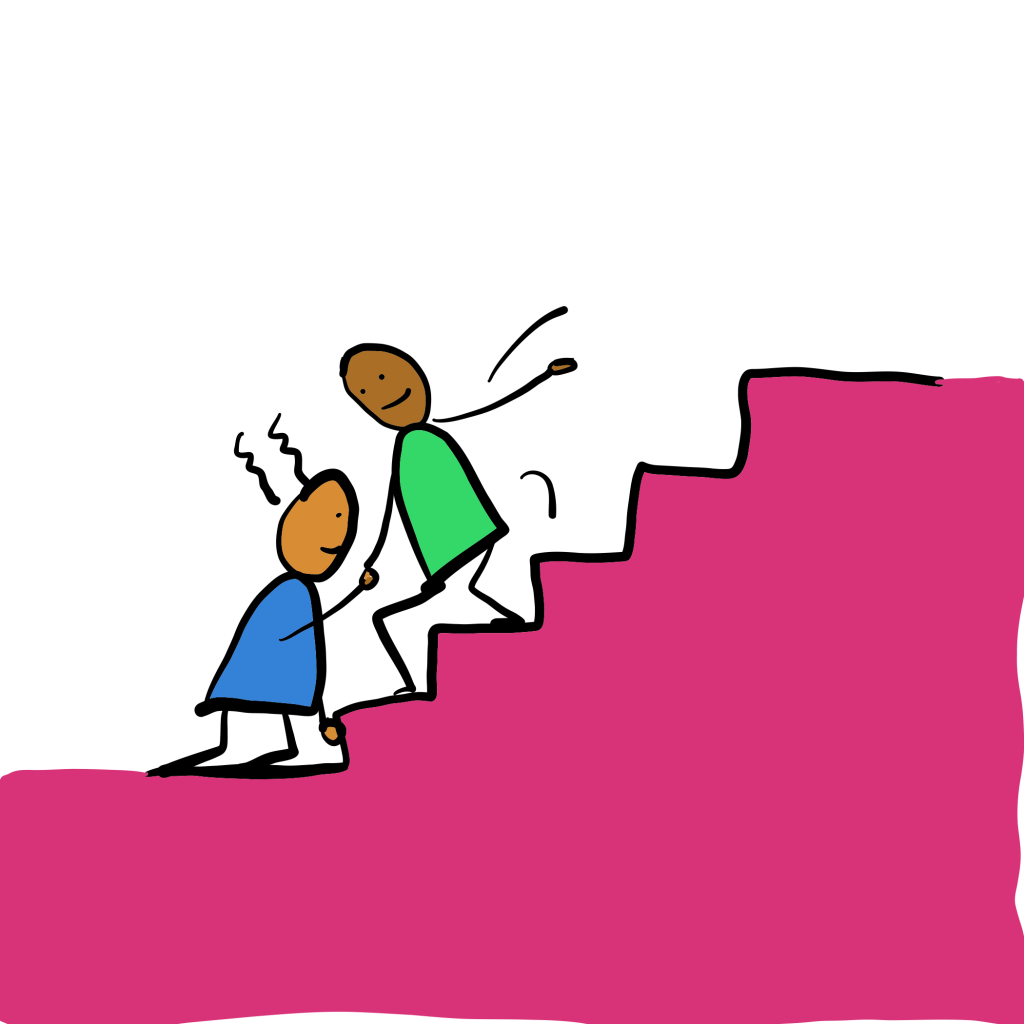
I discovered that I not only understood these systems quickly, but that I could also explain them to others. I started helping to train civil servants. Gradually, my work shifted from administration to ICT — and I found a language in technology that did not judge where I came from.
From “limited prospects” to designing education
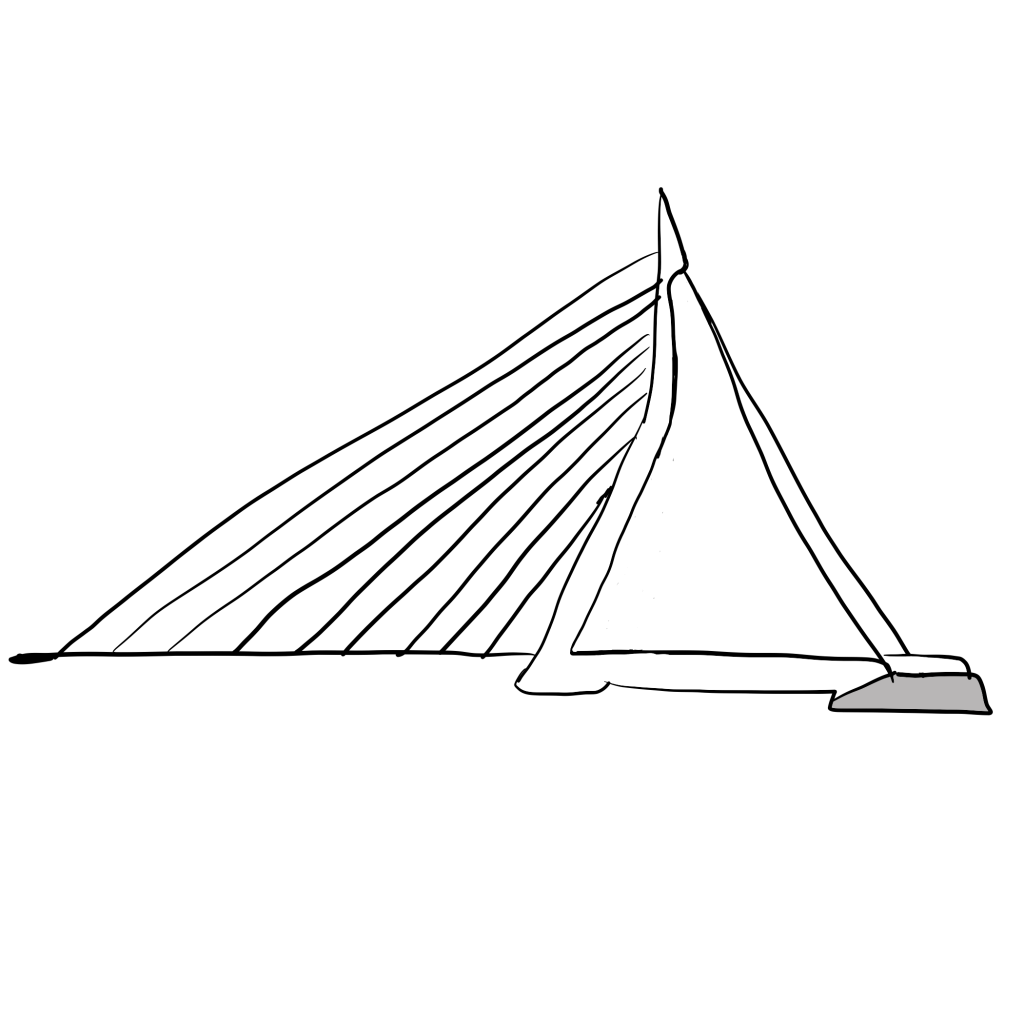
Over the years, I completed a bachelor’s degree in Informatics and Information Science alongside full-time work, became a data consultant, and eventually moved fully into higher education. At Rotterdam University of Applied Sciences, I helped design and build the bachelor programme Applied Data Science & Artificial Intelligence.
The first students will graduate in 2026. For me, this marks a symbolic turning point: from a young person whose potential was underestimated, to someone who now designs education for future generations of technical professionals.
Remembering who is left behind
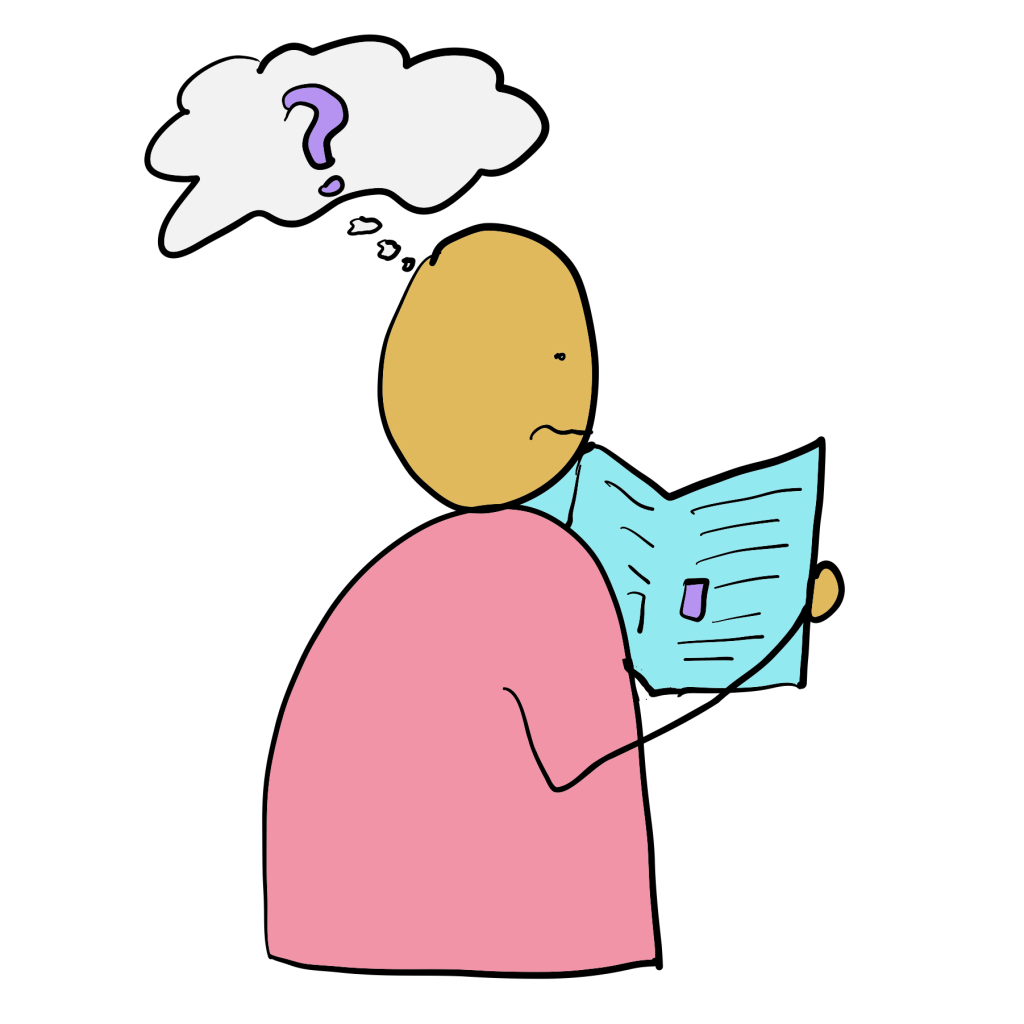
Despite this professional journey, I never forgot where I came from. I know — not from statistics, but from kitchen tables, waiting rooms, phone calls on behalf of my parents — what it means when society assumes that everyone can read, write and navigate digital systems.
I know the frustration of a parent who wants the best for their child but cannot decipher a letter from school. I know how much courage it takes to ask for help with something everyone else seems to do effortlessly.
A playful protest: Living Without Letters
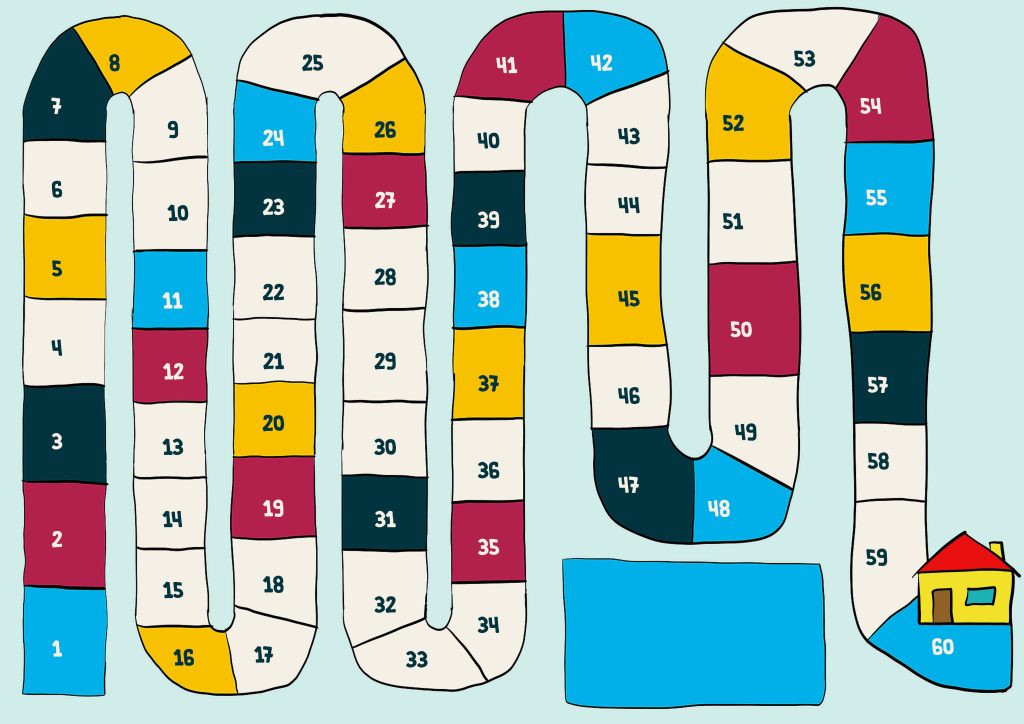
My Master Design Research project is my way of giving something back. The board game Living Without Letters turns my lived experiences — and those of many others in Rotterdam South — into something visible, playable and shareable.
It allows people who use reading without a thought to feel, for a moment, what it means when every step costs more time, more energy and more pride than anyone else has to give. It is a game, yes. But it is also a mirror.
It shows that the real problem is not the person who cannot read — but the system that refuses to speak their language.
Rooted in Rotterdam South
Much of my research is situated in Rotterdam South, where low-literacy and socioeconomic disadvantage intersect. Here, I collaborate with residents, volunteers and organisations to make visible what is usually hidden behind numbers and policy documents.
This Living Atlas is where those traces come together: interviews, drawings, game elements, experiments and reflections. It maps not just a city, but a lived experience of navigating that city without letters.
An invitation
This Living Atlas is not just a record of my research. It is an invitation:
- To rethink what literacy means.
- To recognise the strength of those navigating life without written language.
- To redesign communication so that no one is left behind.
Welcome to Living Without Letters.
Welcome to the world I come from — and the future I am determined to help build.
Favourite quote:
‘What makes you weird makes you special’Meryl Streep